💡 What is a Full Body HIIT Workout with Weights?
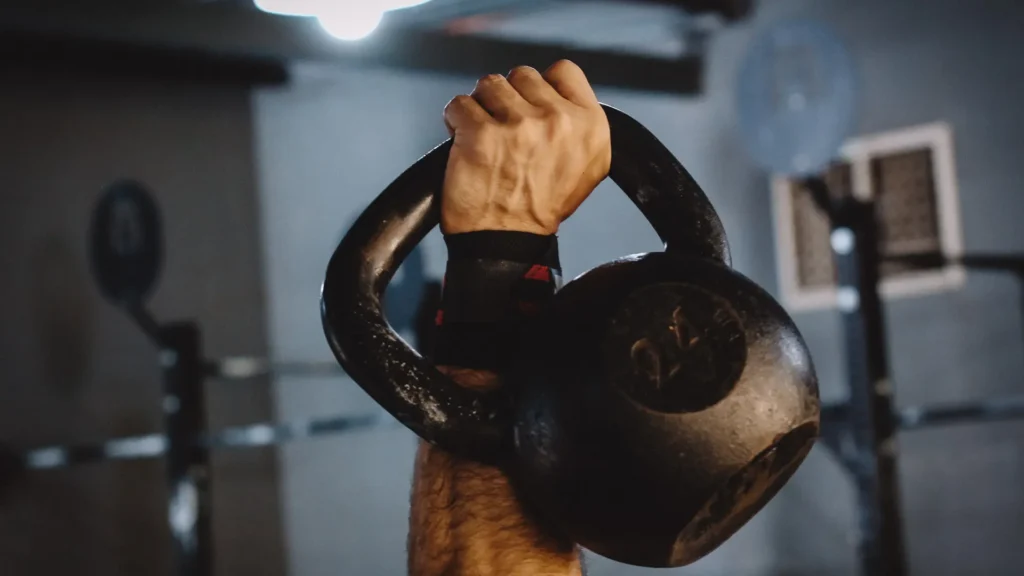
A full body HIIT workout with weights combines strength training and high-intensity intervals. You use equipment like dumbbells, kettlebells, or weighted vests to work multiple muscle groups in short, intense bursts, followed by brief rests. The goal is to burn fat, build strength, and boost endurance, all in one session.
If you’re ready to level up your HIIT routine, adding weights takes things from tough to seriously challenging. Not only does it torch calories, but it also builds strength and keeps your heart rate high for maximum results. Whether you’ve got dumbbells, kettlebells, or just a weighted backpack, you can turn a standard interval session into a power-packed routine. In this post, we’ll walk you through how to structure a full-body HIIT with weights, the best moves to include, and tips to stay safe while pushing hard.
Also Read: Best HIIT Timers and Apps in 2025 (Reviewed & Compared).
Benefits of a Full Body HIIT Workout with Weights
- Burn more calories in less time: The combo of weights + intensity boosts calorie burn during and after the workout.
- Build strength and muscle: You’re not just doing cardio, the added resistance helps tone and strengthen major muscle groups.
- Improve endurance: Pushing through weighted intervals trains both your cardiovascular system and muscular stamina.
- Maximize efficiency: One workout hits strength, cardio, and fat loss together, perfect if you’re short on time.
How to Do a Full Body HIIT Workout with Weights
A good weighted HIIT session doesn’t have to be complicated. The key is mixing strength moves with cardio intensity, while keeping rest short. Here’s how to put it together:
- Choose your equipment: Dumbbells, kettlebells, resistance bands, or even a weighted backpack work fine. Pick a weight that challenges you but still lets you keep good form.
- Set your timer: Aim for 30–40 seconds of work, followed by 15–20 seconds of rest. Complete 3–5 rounds, depending on your fitness level.
- Mix upper and lower body: Alternate between moves like squats, presses, rows, and swings to hit every major muscle group.
- Keep rest short: The “high intensity” part comes from pushing hard and keeping breaks minimal.
- Cool down properly: Finish with 5 minutes of light movement and stretching to prevent soreness.
💡 Pro tip: Use a HIIT timer app to stay on track, it removes the guesswork and keeps you focused on the workout instead of your stopwatch.
Sample Full Body HIIT Workout with Weights
Format: 40 seconds work / 20 seconds rest (repeat each circuit 3–4 times)
Circuit 1
- Dumbbell Squat to Press
- Bent-Over Rows
- Jump Squats with Dumbbells
Circuit 2
- Kettlebell Swings (or Dumbbell Swings)
- Push-Ups with Shoulder Tap
- Walking Lunges with Dumbbells
Circuit 3
- Burpee with Dumbbell Deadlift
- Russian Twists with Weight
- Mountain Climbers
☘️ Cool Down (5 minutes): Light jogging in place + stretching
💡 Tip: If you are a beginner and have a Apple Watch left around, take a look at the Best Fitness Apps for Apple Watch in 2025. Many have guided workout library to get you started in no time.
Things to Keep in Mind
- Form comes first: Don’t sacrifice technique for speed. Poor form with weights can lead to injury fast.
- Pick the right weight: Choose a load that challenges you but still lets you complete all reps with control.
- Warm up properly: Spend at least 5 minutes getting your heart rate up and loosening muscles before starting.
- Don’t skip rest: Short rests are part of HIIT, and skipping them will burn you out too soon.
- Listen to your body: If you feel sharp pain (not just fatigue), stop and adjust.
- Track your progress: Use a fitness tracker or smartwatch to log your sessions and gradually increase intensity. If you don’t have one yet, take a look at our Top Smartwatches for Fitness Tracking in 2025.
The Bottom Line
A full body HIIT workout with weights is one of the most efficient ways to train. You’ll burn fat, build strength, and push your endurance in less time than a traditional gym session. Just remember to start with manageable weights, focus on form, and progress gradually.
Frequently asked questions
Is HIIT cardio or strength?
HIIT can be both. Traditional HIIT is cardio-focused, but when you add weights, it becomes a mix of strength and cardio. You’ll build muscle while keeping your heart rate high.
Is Tabata HIIT?
Yes. Tabata is a specific style of HIIT: 20 seconds of all-out effort followed by 10 seconds of rest, repeated for 4 minutes. It’s short, intense, and highly effective.
Can beginners do HIIT with weights?
Yes, but start light. Focus on learning proper form with bodyweight or small dumbbells before moving to heavier loads. Keep sessions short until you build endurance.
How often should I do a full body HIIT workout with weights?
2–3 times per week is plenty for most people. Since HIIT is intense, your body needs recovery days in between to repair muscles and avoid burnout.
Do I need a timer app for HIIT workouts?
A timer app isn’t mandatory, but it makes workouts much easier to follow. Apps keep track of intervals automatically so you can focus on your form and effort instead of checking a stopwatch.